
PhygiaTech®
Ballistic protection
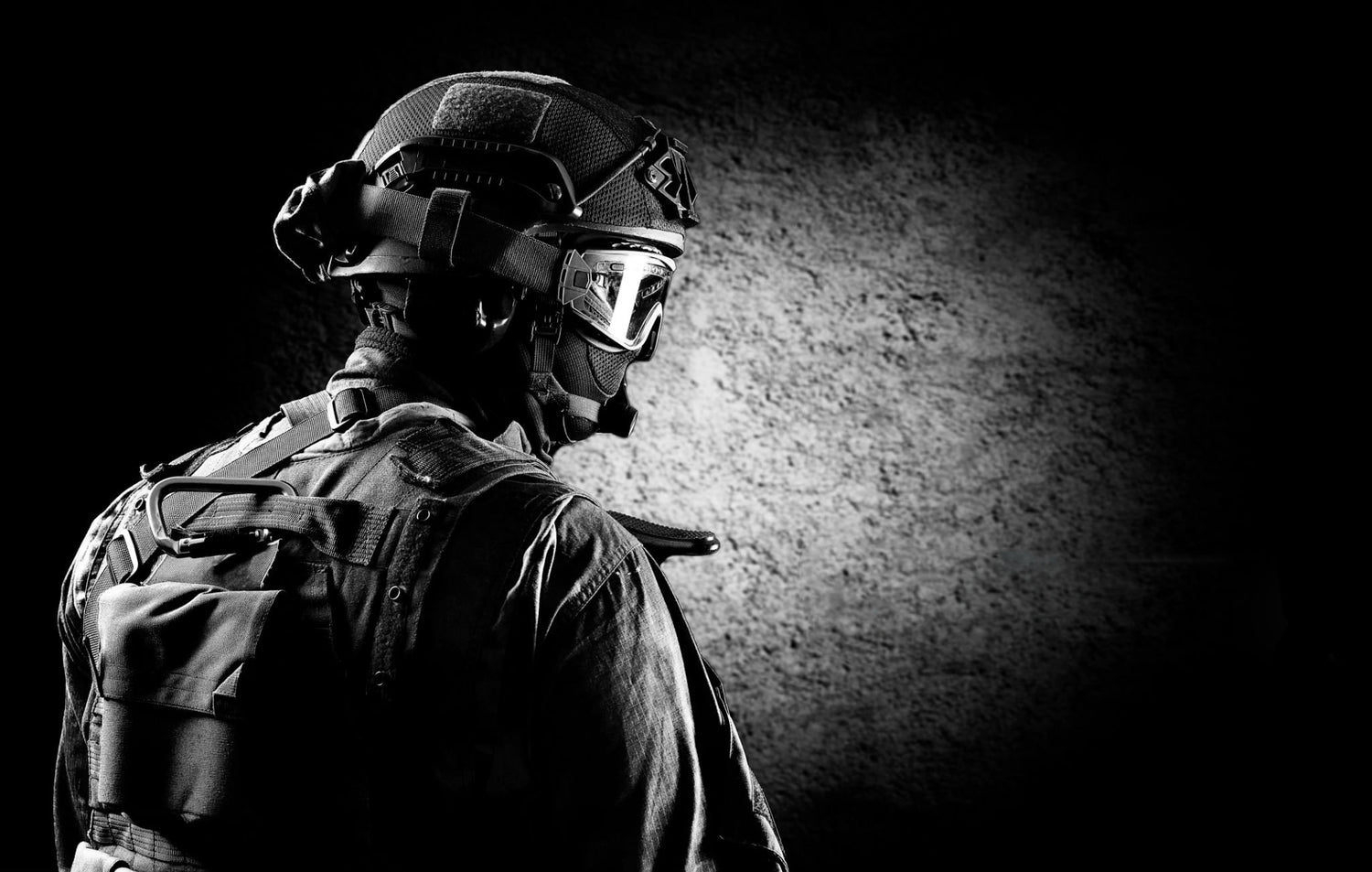
Your protection without compromise
All Phygiatech products are manufactured and selected to offer you the best in ballistic protection. Likewise, our NIJ IV rigid plates are also certified to the European VPAM standard level 9, guaranteeing a high level of protection.
VPAM level 9 certification video
Equipment
Selection
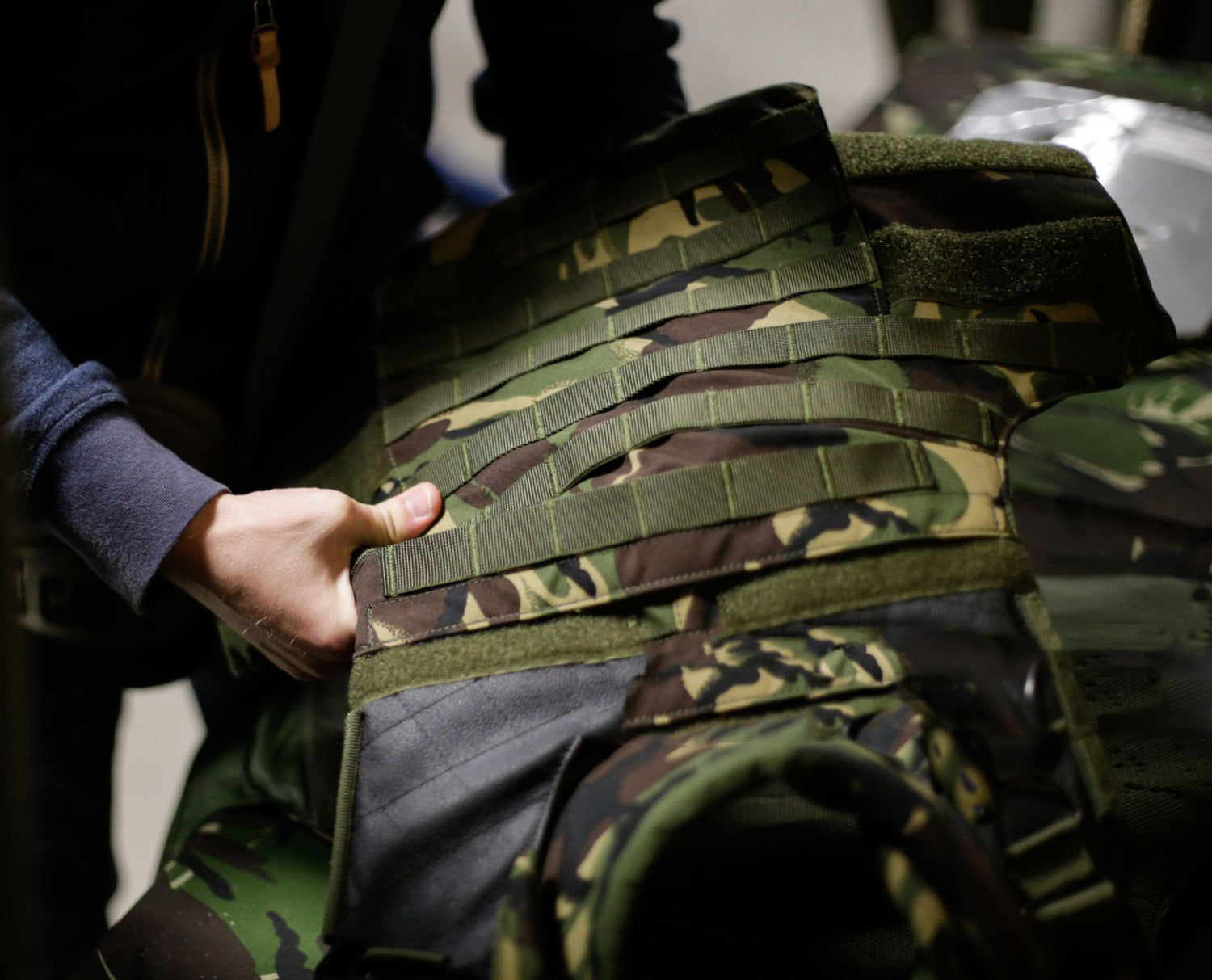
The Phygiatech® range addresses the essential needs in ballistic protection equipment. The products fit most tactical vests or covert soft vests.
Our aim is to offer you the best products adapted to each use and for all budgets.

MATERIALS
Technical features
The development of PhygiaTech® products is determined by a rigorous choice of the materials used in the composition of the ballistic product.
The latest or most efficient technologies are preferred, in order to offer you optimal protection in all circumstances.

Product range
Technical design office
The PhygiaTech® teams are able to support you with other more specific requests and offer you additional ranges according to your needs.
Ballistic shield, helmet with ballistic visor, multi-curve plates, etc...
Which plate for which protection?
It is crucial to choose your ballistic protection according to your needs and constraints and the level of protection desired.
Ballistic plates are classified from the least resistant NIJ II to the strongest NIJ IV. Each protection level applies to different calibers.
Here are the main characteristics:
The materials used in ballistic protection mean they are divided into two categories: soft and hard.
Soft protection comes in the form of Kevlar (Aramid) vests, often black, which are put on like a garment and cover a large surface area. Although comfortable, they generally offer protection up to level IIIA, limiting their effectiveness to handgun calibers but not against assault rifles. It is important to note that the service life of Kevlar varies depending on storage, use, and exposure to light and humidity.
Hard protection consists of plates of similar size designed to provide greater protection than soft vests; they are placed at the front and back of the wearer. These plates are often curved to fit the shape of the body, with bevel cuts at the top called "Shooter cut", making it easier to shoulder an assault rifle.
The importance of plate weight
One constraint of effective protection with ballistic plates can be weight.
Indeed, having high resistance to projectile impact often means a heavier material composition.
Optimal ballistic protection means finding the best balance between protection and mobility depending on the environments and threats you must face. High ballistic protection can come at the expense of mobility, bearing in mind that mobility is also a protective factor.
Our range aims to combine these two elements so that neither is neglected.
You will find in the Phygiatech® store the selection to meet your essential needs.
ICW or Stand Alone plates?
The principle of Stand Alone (SA) and In conjunction with (ICW) distinguishes two types of ballistic plates.
Stand Alone plates work independently, without needing to be combined with another ballistic protection. They offer a turnkey solution for your protection, ideal for daily use in a backpack or a plate carrier. The entire range of our products uses this technology.
By contrast, ICW plates require another ballistic protection to be used alongside them for full effectiveness. Using an ICW plate on its own can lead to serious consequences, such as potentially fatal shockwave injuries. Their implementation constraints and danger mean they are not part of our range.
Kinetic energy of projectiles
If a bulletproof vest is able to stop a bullet, it will be unable to do anything against the kinetic energy of the projectile, which will inevitably be absorbed by the human body at the moment of impact.
This trauma can be significant depending on the caliber used, the ballistic protection worn, and the area of the body hit. Ballistic protection stops projectiles by absorbing the kinetic energy they release and redistributing it over as much of the body as possible.
Reminder:
Anyone wearing a bulletproof vest who has been exposed to a ballistic impact, even if they feel no immediate pain, must be taken urgently to medical services. Thorough examinations are imperative and mandatory. This measure aims to detect any signs of internal bleeding and internal fractures, and to prevent any further complications.

Material characteristics
Ballistic protection products are designed and manufactured using different materials.
Each material has different technical characteristics.
The importance of the materials used
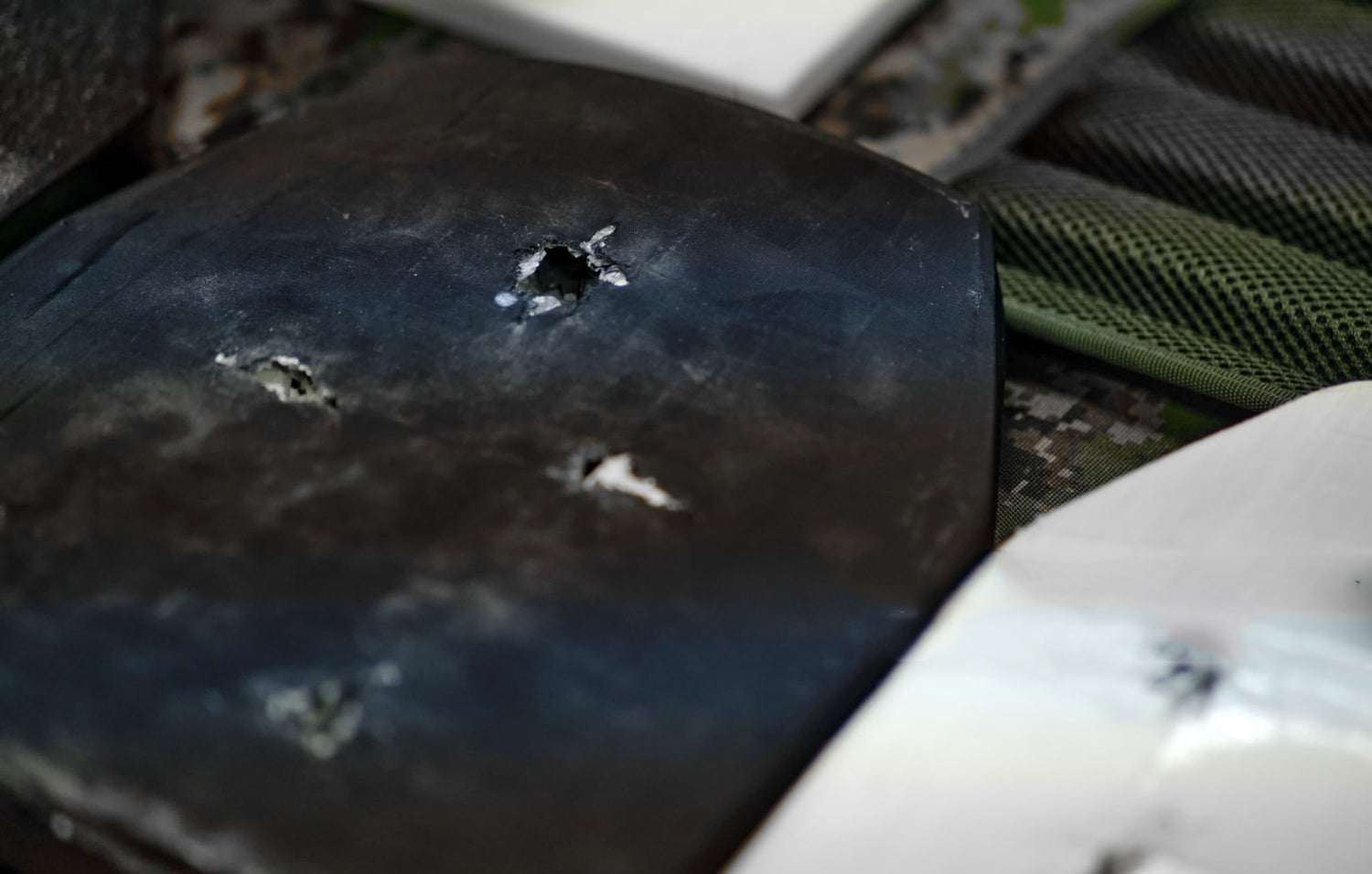
The composition of ballistic plates can vary and lead to different specifications and properties.
Some materials are more or less resistant, effective and heavy. It is the composition of one or more materials that determines the performance of ballistic protection.
Phygiatech® has selected plates according to their weight/performance ratio and high resistance, guaranteeing product quality.
It is therefore important, when purchasing plates or ballistic products, to pay close attention to their composition.
Here are some materials and how they differ from one another:
- Aramid
- AR 500 steel
- Silicon carbide
- High-modulus polyethylene
Aramid
Aramid fiber, such as Kevlar®, is a high-performance synthetic material that offers exceptional tensile strength and excellent impact energy absorption. These properties make aramid fiber an ideal choice for ballistic plates.
It is important to note that the effectiveness of aramid fiber ballistic plates can vary depending on several factors. For example, the thickness of the plate, the fiber weave, and the type of resin used can all influence the ballistic performance of the plate.
Compared with other materials used in ballistic plates, such as metal or ceramic, aramid fiber plates are generally lighter.
This can make these plates more comfortable to wear, especially for users who need to wear them for long periods.
AR 500 steel
A specific steel alloy that offers a stronger composition but is much heavier than all other plates. There is also the drawback that a projectile can cause sprays of fragments or ricochet off the plate. This can injure the wearer or personnel in close proximity.
Ceramic: Silicon Carbide
It should be noted that there are several grades of ceramic:
- Aluminium oxide, with its low cost and properties, is the most basic and least expensive ceramic material.
- Silicon carbide offers the best strength/weight/cost ratio on the market today.
- Boron carbide is stronger and lighter, but its complex manufacturing process makes it an extremely expensive product.
Ceramic ballistic plates offer several advantages over other types of ballistic protection.
First, their light weight allows users to maintain essential mobility in the field, which can be crucial.
In addition, their structure is made up of multiple layers, which greatly increases their ability to withstand high-velocity projectile impacts; another key advantage is their durability in extreme conditions.
Unlike traditional materials such as steel, ceramic plates do not corrode, making them suitable for use in marine or humid environments.
In addition, they retain their structural integrity even under repeated shocks, thus offering long-term protection.
High-modulus polyethylene
High-density polyethylene, as we have seen, is a thermoplastic polymer distinguished by its strength and light weight.
HDPE fibers are arranged in such a way as to efficiently absorb and disperse the kinetic energy resulting from a ballistic impact. In addition, they are shape-memory materials, which can potentially provide effective protection against subsequent impacts.
This structure makes it possible to considerably reduce the weight of ballistic plates while maintaining optimal protection.
HDPE is also known for its resistance to chemicals, moisture and UV, thus offering increased durability to ballistic plates.
Your safety, Your protection
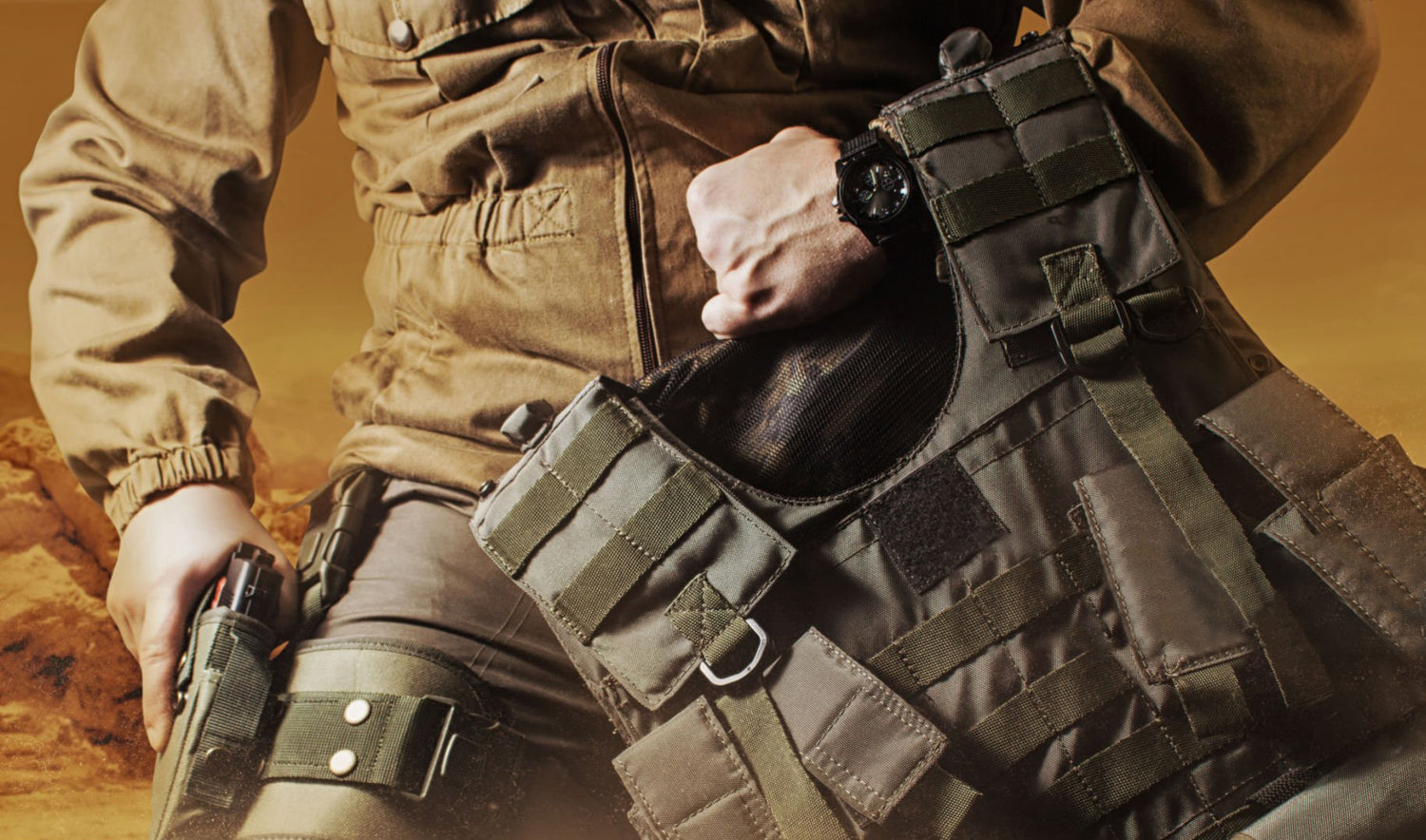
You are subjected to difficult situations that may put your life at risk, which is why Phygiatech® supports you with high-resistance products adapted to different environments.